Short answer: The Amish are a Christian group known for living simply. They dress plainly, travel by horse and buggy, avoid many modern technologies, and put family, faith and community first. Today more than 410,000 Amish live in the United States and Canada.
This guide explains who the Amish are in plain English: where they came from, what they believe, how they live, and why their rules are different from one place to another. Each section links to a deeper article if you want to learn more.
Who Are the Amish?
The Amish are a Christian church group. They believe the Bible teaches them to live apart from the wider world, stay humble, and keep their families and church close. Their simple way of life, from plain clothing to the horse and buggy, comes from these beliefs.
The Amish are not one single church. They are made up of many small local churches called church districts. Each district is usually just a few dozen families who live near each other and worship together.
Where Did the Amish Come From?
The Amish began in Europe in 1693. A church leader named Jakob Ammann split from other Swiss and Alsatian Anabaptists over how strict the church should be. His followers became known as the “Amish,” after his name.
Many Amish families moved to Pennsylvania in the 1700s, looking for religious freedom. Over time, they spread to Ohio, Indiana and many other states. Today there are no Amish left in Europe. Almost all live in North America.
How Many Amish Are There, and Where Do They Live?
In 2025, there were more than 410,000 Amish in the United States and Canada, living in 32 US states, according to the Young Center at Elizabethtown College. The five states with the most Amish are:
| State | Amish population (2025) |
|---|---|
| Pennsylvania | 95,410 |
| Ohio | 86,325 |
| Indiana | 67,310 |
| Wisconsin | 27,535 |
| New York | 25,220 |
Lancaster County in Pennsylvania and Holmes County in Ohio are two of the best-known Amish areas, and both welcome many visitors each year.
What Do the Amish Believe?
The Amish are Anabaptists. This means they believe people should choose to be baptized as adults, not as babies. Some of their key beliefs are:
- Separation from the world: living apart from modern culture to protect their faith and families
- Humility: not standing out, showing off, or seeking attention
- Community: helping each other, from barn raisings to caring for the sick and elderly
- Nonviolence: refusing to fight in wars or take part in violence
Most Amish do not have church buildings. Services are held in members’ homes, taking turns, usually every other Sunday.
What Are the Amish Rules?
Each church district follows its own set of unwritten rules called the Ordnung. It covers things like clothing, technology and travel. Because every district makes its own choices, Amish life in one state can look quite different from Amish life in another.
This is why many questions about the Amish have the answer “it depends.” Here are some of the most common ones:
- Do Amish Use Electricity? Most avoid the public power grid but use batteries, generators and solar panels.
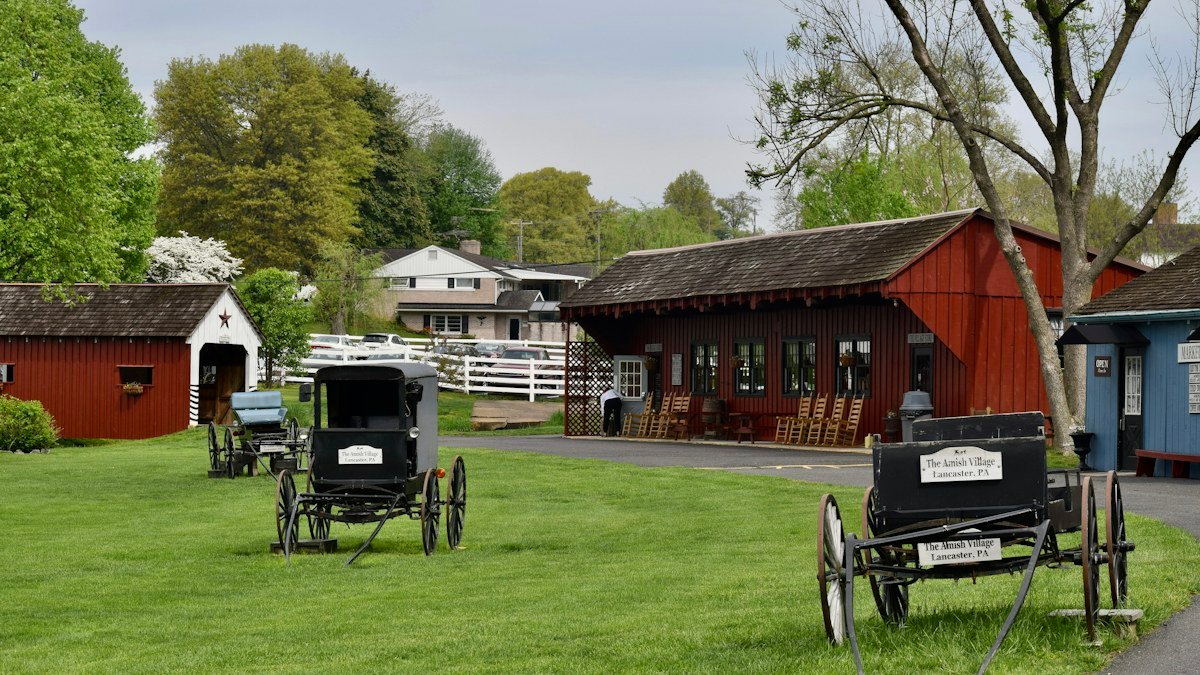
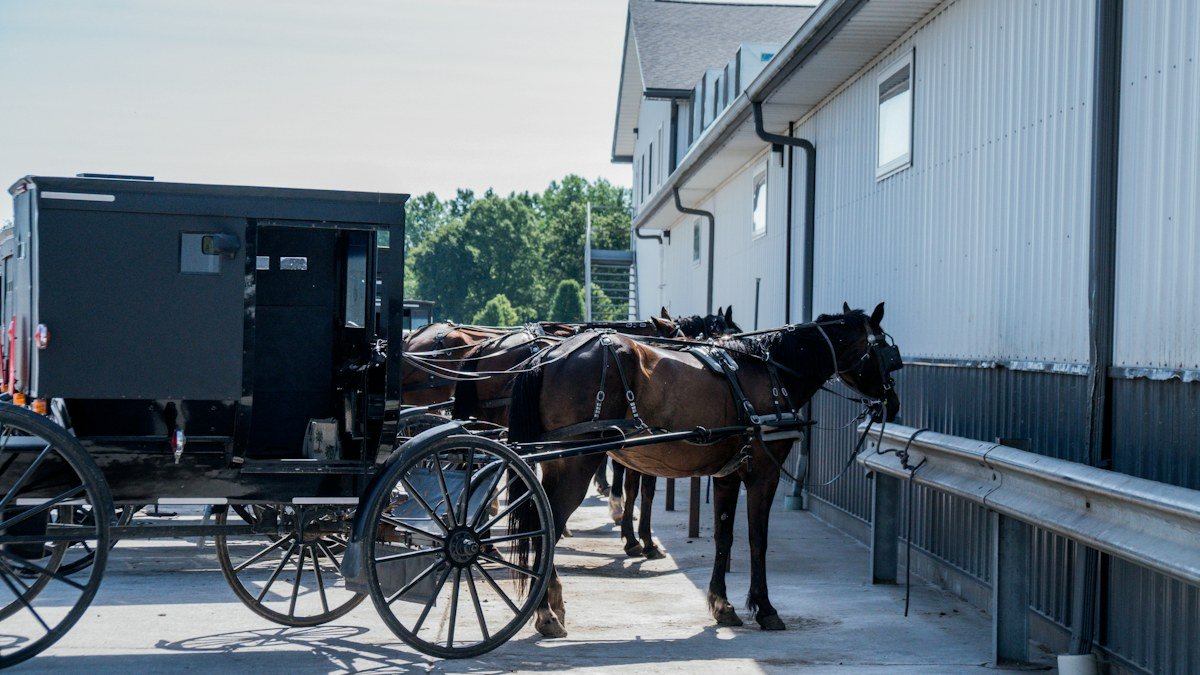
- Do Amish Drive Cars? Most do not drive or own cars, but many ride in them.
- Do Amish Have Phones? Most keep phones out of the house but share a phone outside.
- Do Amish Drink Alcohol? Some do and many do not, depending on the church.
How Do the Amish Dress?
Amish clothing is plain and modest. Men usually wear dark trousers, suspenders and broad-brimmed hats, and married men grow beards. Women wear long dresses in solid colors and cover their hair with a small cap called a kapp. Learn more in Why Do Amish Women Wear Bonnets?.
What Language Do the Amish Speak?
At home, most Amish speak Pennsylvania Dutch, a dialect that comes from German. They use an older form of German in church and the Bible, and they learn English at school to talk with non-Amish people, whom they often call “the English.”
Do Amish Children Go to School?
Yes, but usually only through the eighth grade, often in small one-room schoolhouses run by the Amish themselves. In 1972, in the case Wisconsin v. Yoder, the US Supreme Court ruled that Amish families could end formal schooling after eighth grade because of their religious beliefs. After that, young people learn trades at home, on the farm or in family businesses.
What Is Rumspringa?
Rumspringa is the time when Amish teenagers, usually from around 16, have more freedom before they decide whether to be baptized and join the church. Some try modern things during these years. Most of them, by some estimates 80 to 90 percent, choose to stay Amish in the end.
Do the Amish Celebrate Holidays?
Yes. The Amish celebrate Christian holidays like Christmas and Easter in their own quiet way, with church, family meals and visits, not with big decorations or commercial gifts. Read more in Do Amish People Celebrate Christmas?.
Amish vs. Mennonite: What Is the Difference?
The Amish and Mennonites share the same Anabaptist roots and split apart in 1693. Many Mennonites today use cars, electricity and modern clothing, while the Amish keep a more traditional way of life. Some conservative Mennonite groups, however, still live much like the Amish.
Frequently Asked Questions
Can anyone become Amish?
It is possible but rare. Outsiders who want to join must learn the language, accept the rules and be baptized into the church, which is a very big change.
Do Amish pay taxes?
Yes, the Amish pay most taxes, like income, property and sales taxes. Some special rules apply in a few areas, so it is best to check official government sources for details.
Why do the Amish avoid photos?
Many Amish believe posing for photos can lead to pride. They often prefer not to have their faces photographed, so it is polite to ask first or avoid taking close-up pictures of them.
Are the Amish growing or shrinking?
They are growing. Amish families are usually large, and most young people choose to stay in the church.
The Bottom Line
The Amish are a Christian group who choose a simple, close-knit way of life based on their faith. They are not all the same: each church district sets its own rules, which is why their use of technology, travel and even clothing can vary from place to place. If you are curious about a specific question, explore our other Amish Life guides.
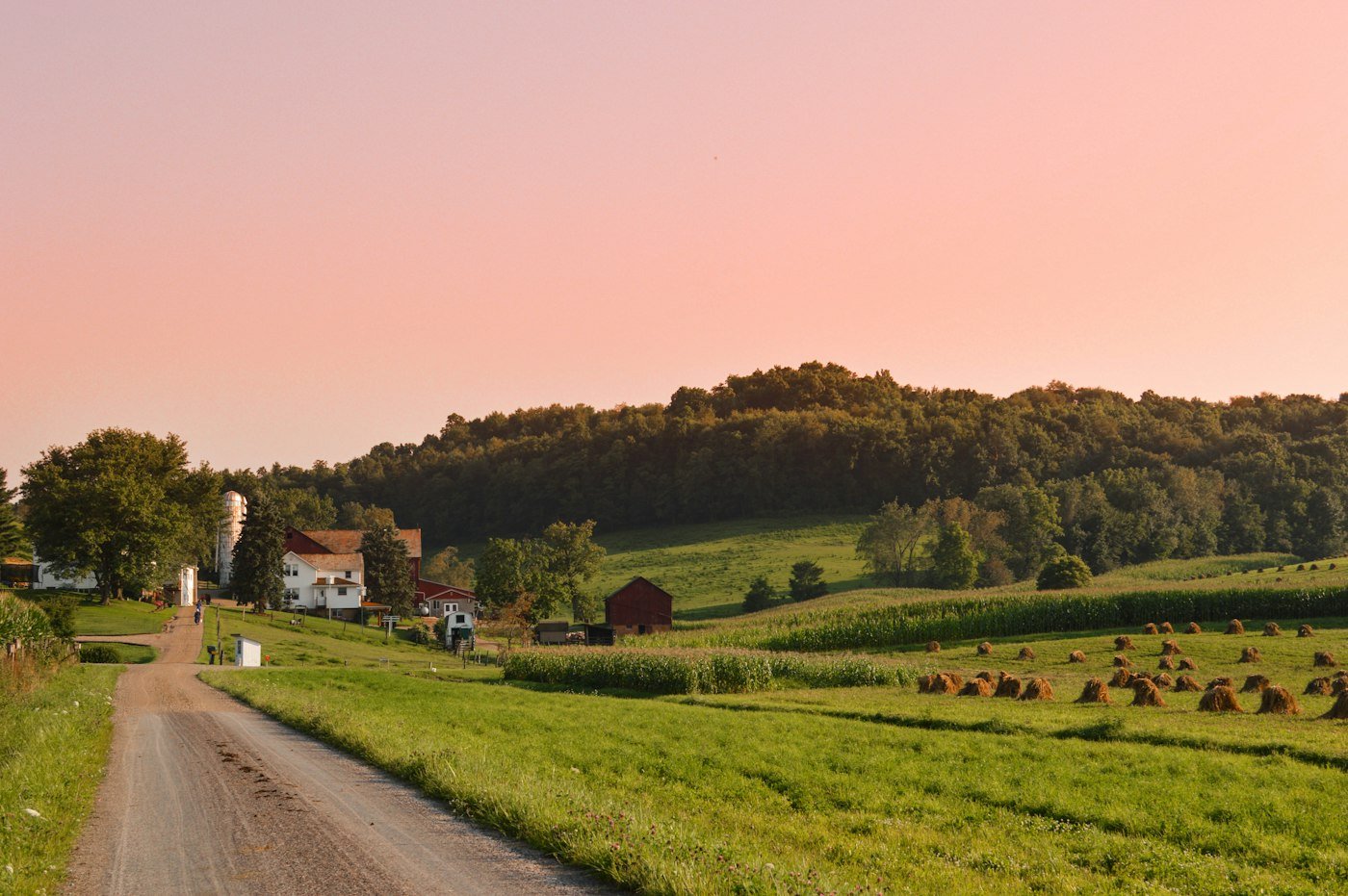
Featured photo: Marvin Yoder on Unsplash (Amish Country, Ohio).
Sources
- Young Center, Elizabethtown College: Amish Population 2025
- Encyclopedia.com: Amish, by Donald B. Kraybill
- EBSCO Research Starters: Amish Culture
- Amish America: 5 Important Events in Amish History
- Amish Heritage: Who are the Amish?