
Wildfire Smoke Brings Dangerous Air Quality Alerts to Midwest and Northeast
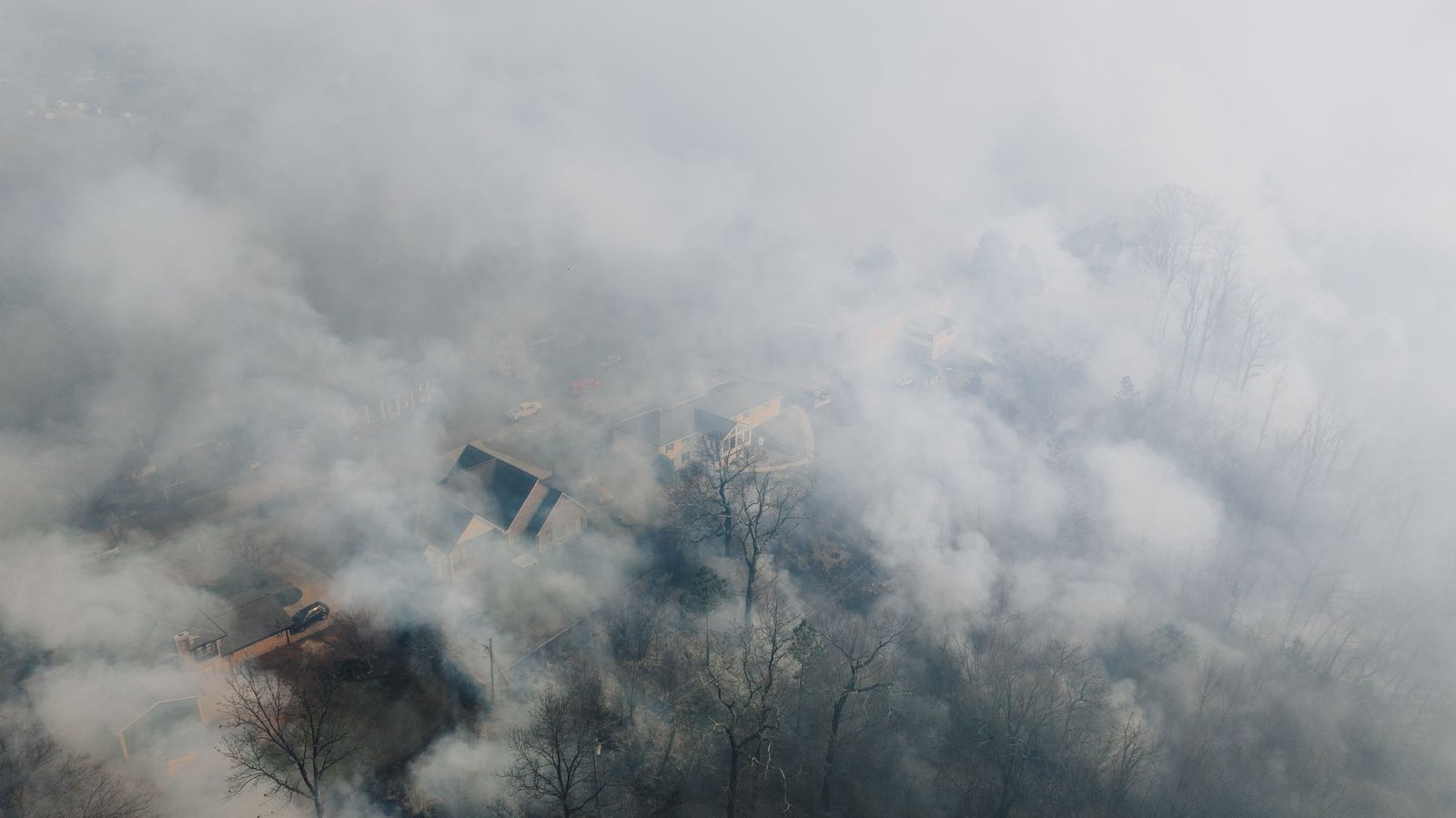
Wildfire smoke is triggering widespread air quality alerts across the Midwest and Northeast United States, affecting millions of residents with hazardous levels of fine particulate matter. Health officials are urging vulnerable populations — including children, the elderly, and those with respiratory conditions — to stay indoors and limit outdoor activity. The smoky conditions are expected to persist for several days as wind patterns continue to carry smoke from active fire zones.
What Is Causing the Smoke Event?
The smoke blanketing large portions of the central and eastern United States originates from wildfires burning in Canada and parts of the western US. Canada has experienced some of its most destructive wildfire seasons in recent memory, with millions of acres burning across provinces including British Columbia, Alberta, and Quebec. When powerful upper-level wind patterns shift, smoke from these fires can travel thousands of miles in a matter of days.
The phenomenon is driven by a combination of factors:
- Jet stream positioning: When the jet stream dips southward, it acts as a highway, carrying smoke-laden air masses deep into the continental US.
- Dry and hot conditions: Drought conditions across fire-affected regions allow fires to burn intensely and produce enormous volumes of smoke.
- Low precipitation: Lack of rain in the Midwest and Northeast means there is little to wash particulate matter out of the atmosphere.
- Temperature inversions: Warm air trapping cooler air near the ground can concentrate smoke at breathable levels.
Which States Are Under Air Quality Alerts?
Air quality alerts have been issued across a broad swath of the country. States in the Midwest and Northeast that have seen Air Quality Index (AQI) readings rise into the “Unhealthy” or “Very Unhealthy” categories include:
- Illinois and Indiana
- Ohio and Michigan
- Pennsylvania and New York
- New Jersey and Connecticut
- Massachusetts and Rhode Island
- Parts of Wisconsin and Minnesota
In some urban areas, AQI readings have surpassed 150, placing them firmly in the “Unhealthy” range where everyone — not just sensitive groups — may begin to experience health effects. Readings above 200 qualify as “Very Unhealthy,” and some locations have periodically crossed that threshold during peak smoke events.
What Does the Air Quality Index Mean for Residents?
The Air Quality Index (AQI) is a standardized scale used by the Environmental Protection Agency (EPA) to communicate how clean or polluted outdoor air is on any given day. The scale runs from 0 to 500, and each range corresponds to a different level of health concern:
- 0–50 (Good): Air quality is satisfactory; little or no risk.
- 51–100 (Moderate): Acceptable quality, though some pollutants may concern very sensitive individuals.
- 101–150 (Unhealthy for Sensitive Groups): Children, elderly, and those with heart or lung disease should reduce prolonged outdoor exertion.
- 151–200 (Unhealthy): Everyone may begin to experience health effects; sensitive groups face more serious effects.
- 201–300 (Very Unhealthy): Health alert — everyone may experience more serious health effects.
- 301–500 (Hazardous): Health warnings of emergency conditions.
When wildfire smoke is the primary driver of poor air quality, the main pollutant of concern is PM2.5 — fine particulate matter with a diameter of 2.5 micrometers or smaller. These tiny particles can penetrate deep into lung tissue and even enter the bloodstream, making them particularly dangerous.
Who Is Most at Risk From Wildfire Smoke?
While wildfire smoke poses risks to everyone, certain groups face heightened health dangers during elevated smoke events. Public health officials consistently identify the following populations as most vulnerable:
- Children and infants: Their lungs are still developing, and they breathe more air relative to their body weight.
- Older adults: Age-related decline in lung and cardiovascular function increases susceptibility.
- People with asthma or COPD: Smoke can trigger severe respiratory attacks and exacerbate chronic conditions.
- Individuals with heart disease: Fine particles can increase the risk of heart attacks and strokes.
- Pregnant women: Smoke exposure has been linked to adverse birth outcomes.
- Outdoor workers: Those who work outside have prolonged, unavoidable exposure.
What Should Residents Do During a Smoke Event?
Health agencies including the EPA and the Centers for Disease Control and Prevention (CDC) recommend several protective steps when wildfire smoke affects your area:
- Stay indoors and keep windows and doors closed as much as possible.
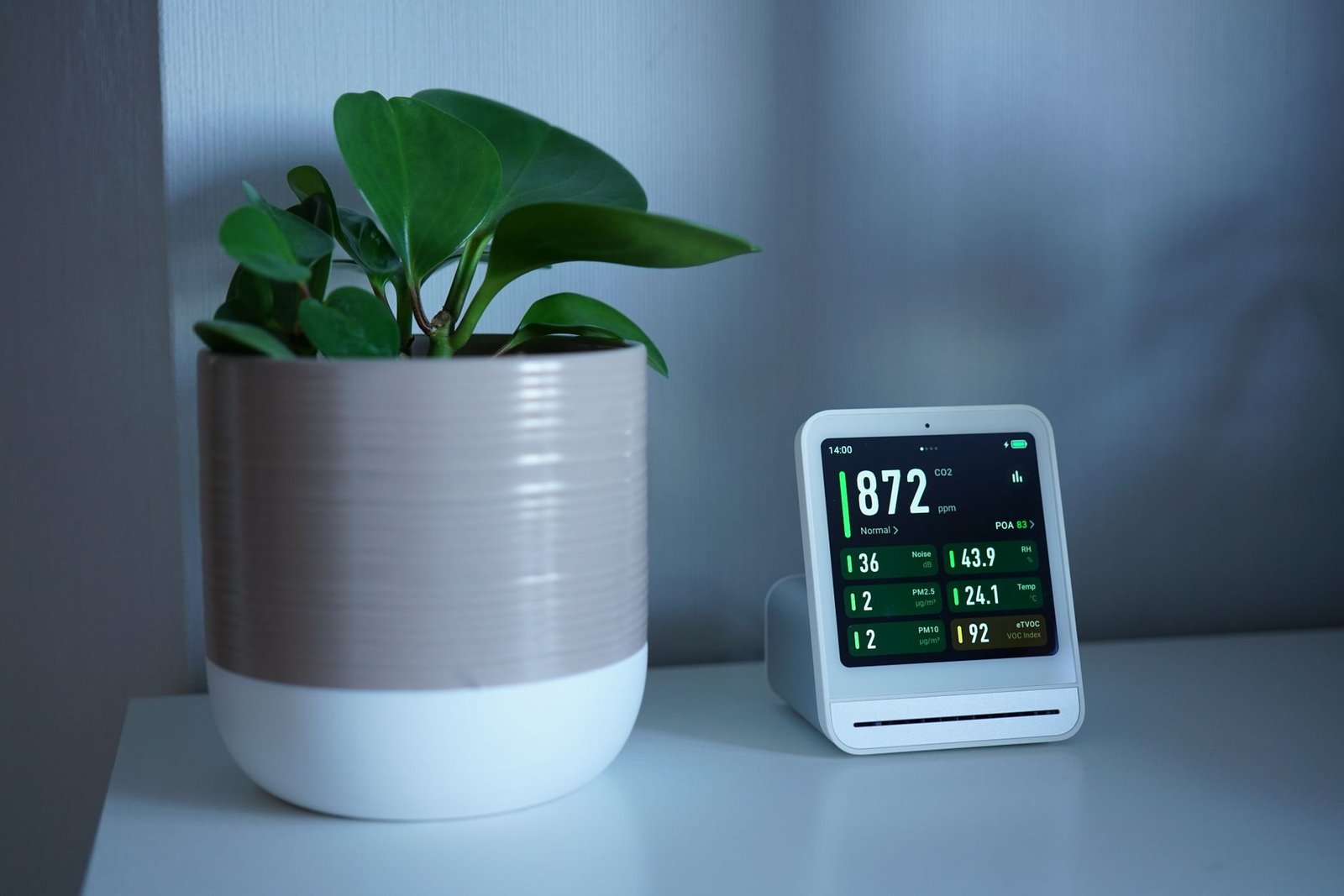
- Use air purifiers with HEPA filters to reduce indoor particulate levels.
- Set HVAC systems to recirculate indoor air rather than drawing in outside air.
- Wear an N95 or KN95 mask if you must go outside — cloth masks do not effectively filter fine particles.
- Monitor local AQI readings through official platforms and apps before planning outdoor activities.
- Avoid strenuous outdoor exercise, which increases the volume of air — and particles — inhaled.
- Keep medications on hand if you have asthma or other respiratory conditions, and follow your doctor’s action plan.
Why Is This Happening More Frequently?
Smoke events affecting the eastern United States have become noticeably more common and more intense in recent years. Climate scientists point to a combination of factors contributing to this trend. Rising temperatures are extending fire seasons and creating drier conditions that make forests and grasslands more susceptible to ignition and rapid fire spread.
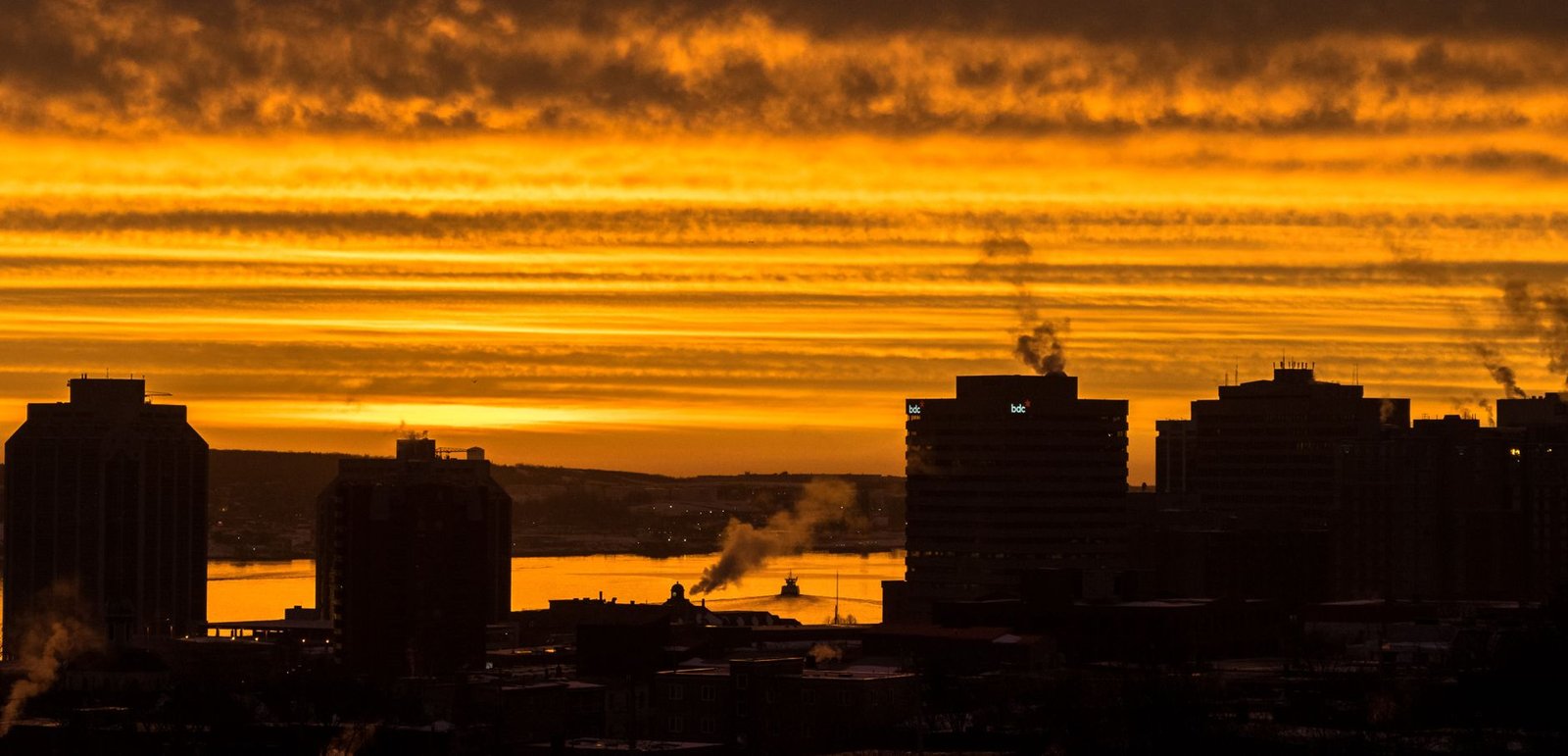
Canada’s wildfire seasons have grown dramatically in scale. In 2023, Canada experienced a record-breaking wildfire season that burned tens of millions of acres — a historic figure that sent smoke across the US multiple times, turning skies orange in cities like New York and Chicago. Scientists expect these kinds of events to become more frequent as global temperatures continue to rise and drought conditions persist across fire-prone regions.
The increasing frequency of cross-country smoke transport is also prompting urban air quality managers to update their response plans and early warning systems, recognizing that poor air quality is no longer just a local or regional concern.
What Are Officials Doing in Response?
State and local governments across affected regions have activated emergency air quality protocols. Common responses include:
- Issuing Air Quality Action Days and health advisories through emergency alert systems.
- Opening clean air shelters in public buildings such as libraries and community centers for residents without adequate indoor air filtration.
- Advising schools to move outdoor activities indoors or cancel recess during high-smoke days.
- Coordinating with the EPA’s AirNow program to ensure real-time public access to air quality data.
- Encouraging residents to check on elderly neighbors and vulnerable family members.
Frequently Asked Questions About Wildfire Smoke and Air Quality Alerts
How long will the wildfire smoke and air quality alerts last?
The duration of smoke events depends on wind patterns, fire activity, and weather conditions. Smoke episodes can last anywhere from a day or two to over a week. Residents should monitor local AQI forecasts daily, as conditions can change rapidly when winds shift or rain arrives to clear the air.
Can I run my air conditioner during a wildfire smoke event?
Yes, running air conditioning is generally recommended, but make sure your system is set to recirculate indoor air rather than pulling in outdoor air. Replacing or upgrading to a higher-efficiency air filter can also help reduce indoor PM2.5 levels significantly.
Do N95 masks protect against wildfire smoke?
Yes, N95 and KN95 respirators are effective at filtering fine particulate matter from wildfire smoke when worn correctly, forming a tight seal around the face. Standard cloth or surgical masks do not provide adequate filtration against PM2.5 particles.
Is wildfire smoke from Canada different from local wildfire smoke?
The composition is similar — both contain fine particulates, carbon monoxide, and volatile organic compounds. However, smoke that has traveled long distances may have undergone chemical changes during transport. Regardless of origin, elevated PM2.5 levels pose the same fundamental health risks to residents on the ground.