
What Is the FIFA World Cup?
The FIFA World Cup is the most-watched sporting event on the planet, held every four years and featuring national soccer (football) teams from around the globe competing for the sport’s ultimate prize. The tournament is organized by FIFA (Fédération Internationale de Football Association), the international governing body of soccer. In short, it’s a months-long competition that culminates in one nation being crowned world champion.
How Do Teams Qualify for the World Cup?
Not every country automatically gets to play in the World Cup. Teams must first earn their spot through a qualification process that takes place over the two to three years leading up to the tournament. FIFA divides the world into six continental regions — called confederations — and each region is allocated a set number of spots in the final tournament.
- UEFA (Europe): The largest allocation, typically 13 or more spots
- CONMEBOL (South America): Historically around 4–5 spots
- CONCACAF (North/Central America & Caribbean): Around 3–4 spots
- CAF (Africa): Around 5–9 spots depending on the tournament size
- AFC (Asia): Around 4–8 spots
- OFC (Oceania): Typically 1 spot via playoffs
The host nation automatically qualifies for the tournament, as has been tradition throughout World Cup history. Starting with the 2026 World Cup, the tournament expands from 32 to 48 teams, meaning more nations than ever will have a chance to compete.
What Is the Basic Format of the World Cup?
The World Cup is played in two main stages: the Group Stage and the Knockout Stage. Understanding these two phases makes the whole tournament much easier to follow.
The Group Stage: How Does It Work?
In the traditional 32-team format, the competing nations are divided into eight groups of four teams each, labeled Group A through Group H. Every team in a group plays against each of the other three teams in their group exactly once — this is called a round-robin format.
Points are awarded as follows:
- Win: 3 points
- Draw (tie): 1 point each
- Loss: 0 points
After all group matches are played, the teams are ranked within their group based on total points. The top two teams from each group advance to the knockout rounds, while the bottom two teams are eliminated. If two or more teams are level on points, tiebreakers like goal difference (goals scored minus goals conceded), total goals scored, and head-to-head results are used to determine who advances.

The Knockout Stage: What Happens After the Group Stage?
Once the group stage concludes, the tournament shifts to a single-elimination format, meaning if you lose, you’re out. The knockout stage consists of the following rounds:
- Round of 16: The 16 remaining teams (two from each group) face off in eight matches
- Quarterfinals: The 8 winners compete in four matches
- Semifinals: The 4 remaining teams play two matches
- Third-Place Match: The two semifinal losers play for third place (the bronze medal)
- Final: The two semifinal winners compete for the World Cup trophy
In all knockout matches, if the score is tied after 90 minutes of regular play, the game goes to extra time — two additional 15-minute periods. If the score is still level after extra time, the match is decided by a penalty shootout, where five players from each team take turns shooting from the penalty spot.
What Are the Basic Rules of Soccer (Football)?
If you’re brand new to the sport, here are the fundamental rules you need to know to enjoy a World Cup match.
The Objective and Basic Gameplay
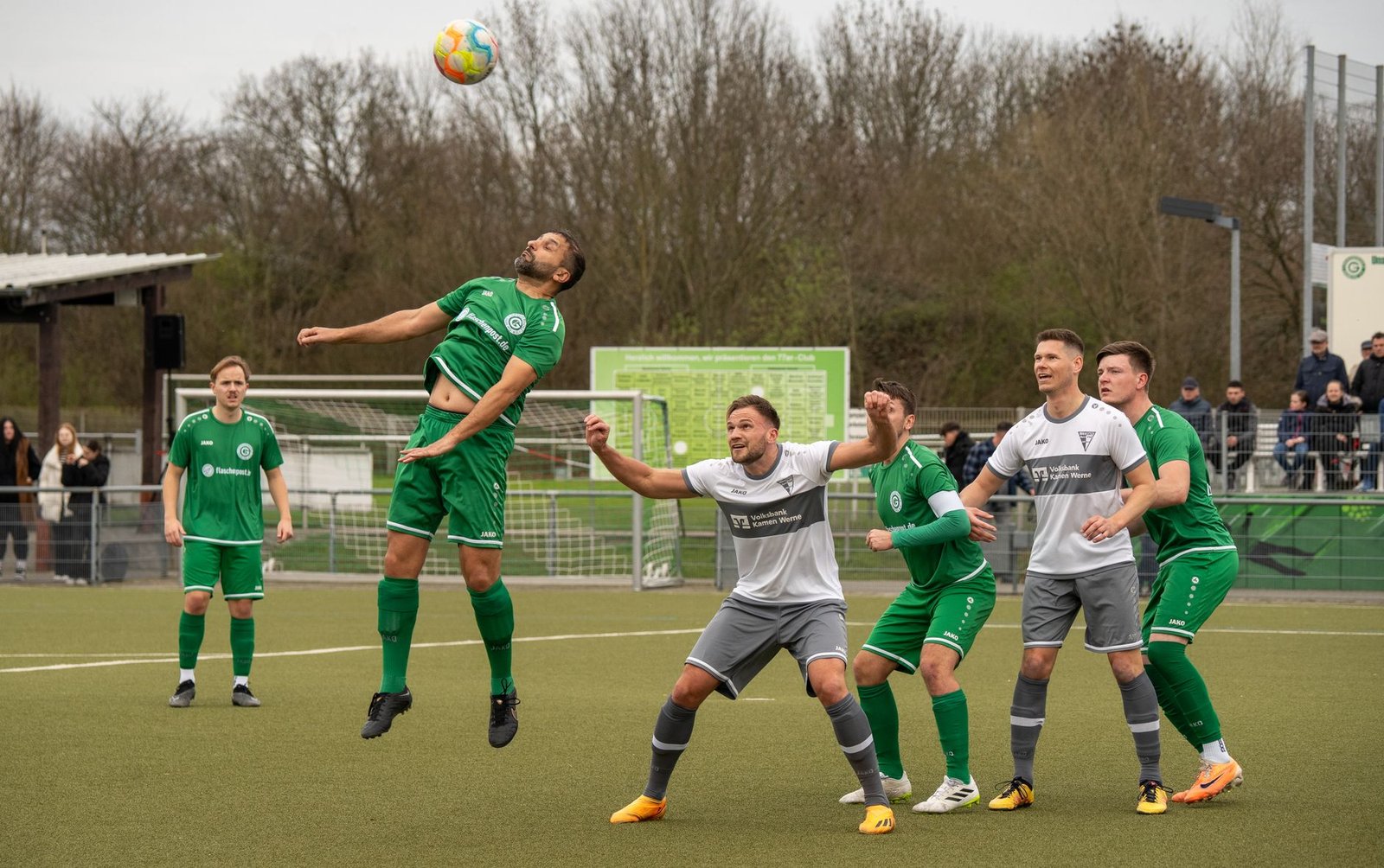
Each match consists of two 45-minute halves, for a total of 90 minutes of regulation play. The goal is simple: score more goals than the opposing team by getting the ball into the other team’s net. Each team fields 11 players, including one goalkeeper who is the only player allowed to use their hands (within their own penalty area).
Fouls, Free Kicks, and Penalty Kicks
When a player commits a foul — such as tripping, pushing, or handling the ball illegally — the opposing team is awarded a free kick from the spot of the infraction. If a foul occurs inside the defending team’s penalty box, the attacking team earns a penalty kick, a one-on-one shot against the goalkeeper from 12 yards out.
Yellow and Red Cards
Referees use a card system to manage player conduct:
- Yellow card: A formal warning for a serious foul or unsporting behavior. Two yellow cards in the same game result in a red card.
- Red card: Immediate ejection from the game. The team must finish the match with one fewer player and cannot replace the sent-off player. A player who receives a red card is also automatically suspended for at least the next match.
Offside Rule
The offside rule is one of the most misunderstood in soccer. A player is offside if they are nearer to the opponent’s goal line than both the ball and the second-to-last defender when the ball is played to them. Being offside results in a free kick for the defending team. Modern World Cups use VAR (Video Assistant Referee) technology to help officials make precise offside calls.
Added Time (Stoppage Time)
Unlike most sports, the clock in soccer does not stop during play stoppages. Instead, the referee tracks time lost due to injuries, substitutions, and other delays, then adds that time — known as stoppage time or added time — at the end of each half. This can range from one to several minutes and occasionally changes the outcome of matches dramatically.
How Are World Cup Hosts Chosen?
Host nations (or groups of nations) are selected by FIFA through a bidding process. Countries or coalitions submit formal bids, and FIFA’s member associations vote on the winner years in advance. The 2026 World Cup will be jointly hosted by the United States, Canada, and Mexico — the first time three nations have co-hosted the event. The expanded 48-team format for 2026 means 104 total matches will be played across 16 host cities.
Why Does the World Cup Matter So Much?
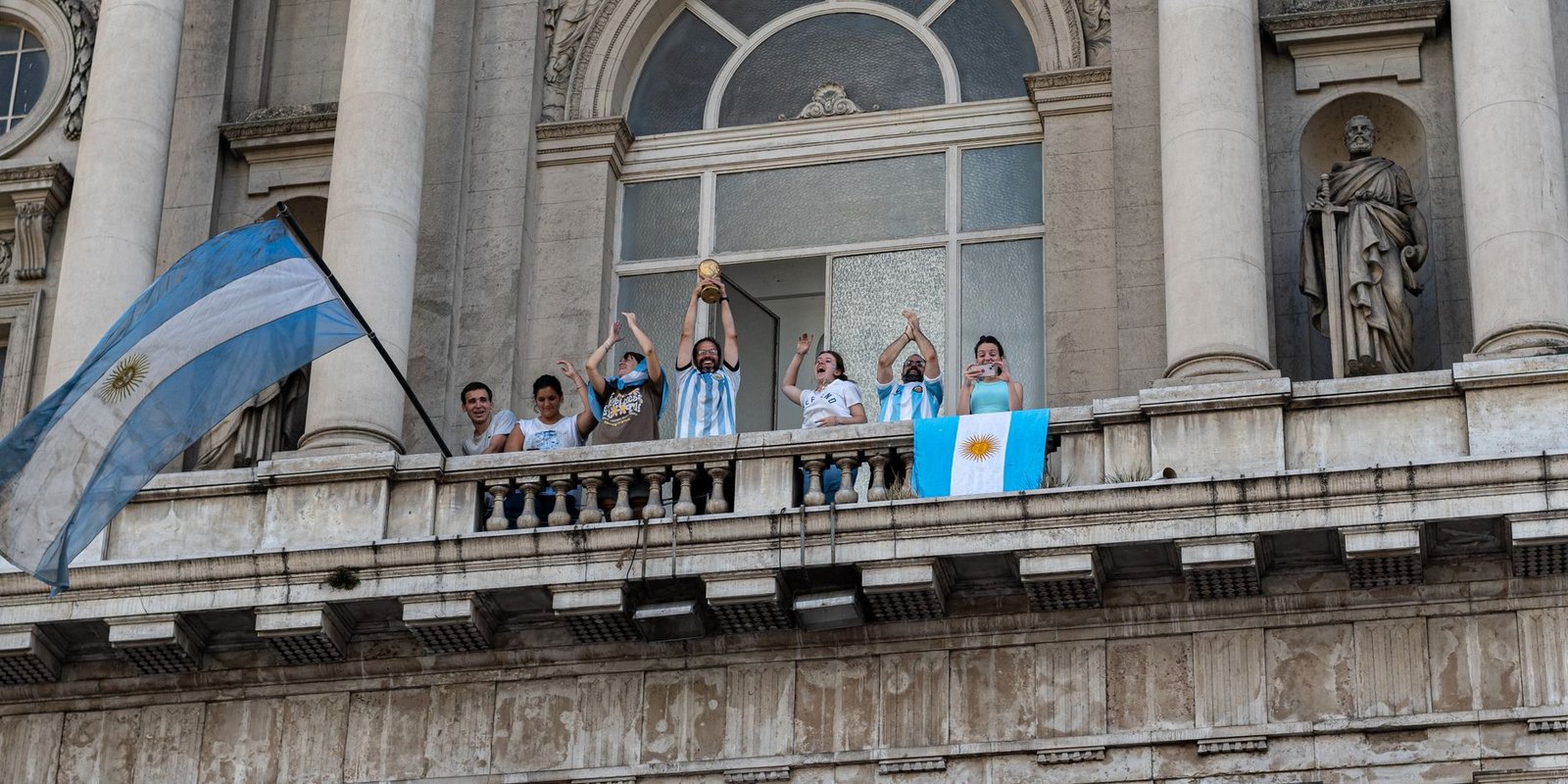
The World Cup transcends sport. It is a global cultural event that unites billions of fans across language, cultural, and political boundaries. The 2022 World Cup in Qatar drew an estimated cumulative global TV audience in the billions, with the final between Argentina and France becoming one of the most-watched single sporting events in history. For many nations, qualifying for or winning the World Cup is a source of immense national pride.
Beyond the spectacle, the tournament often showcases the game’s greatest individual talents on the world’s biggest stage, making careers and producing moments that become part of sporting legend.
Frequently Asked Questions About the World Cup
How often is the World Cup held?
The FIFA World Cup is held every four years. The most recent tournament was held in Qatar in 2022, and the next edition will take place in the United States, Canada, and Mexico in 2026.
How many teams play in the World Cup?
The current format features 32 teams, but starting with the 2026 World Cup, that number expands to 48 teams, making it the largest World Cup in history.
What is VAR and how does it affect World Cup matches?
VAR (Video Assistant Referee) is a technology system that allows a team of video officials to review key match decisions — including goals, penalty kicks, red cards, and mistaken identity — and recommend corrections to the on-field referee. It has been used at the World Cup since the 2018 tournament in Russia.
Which country has won the most World Cups?
Brazil holds the record for the most World Cup titles, having won the tournament five times (1958, 1962, 1970, 1994, and 2002). Germany and Italy each have four titles, while Argentina and France each have three.