

Spain Defeats Argentina to Win the 2026 FIFA World Cup
Spain has won the 2026 FIFA World Cup, defeating defending champions Argentina 1-0 in a tense final decided by a Ferran Torres extra-time goal. The match, widely regarded as one of the most emotionally charged finals in tournament history, also marked what is widely expected to be Lionel Messi’s last appearance at a FIFA World Cup.
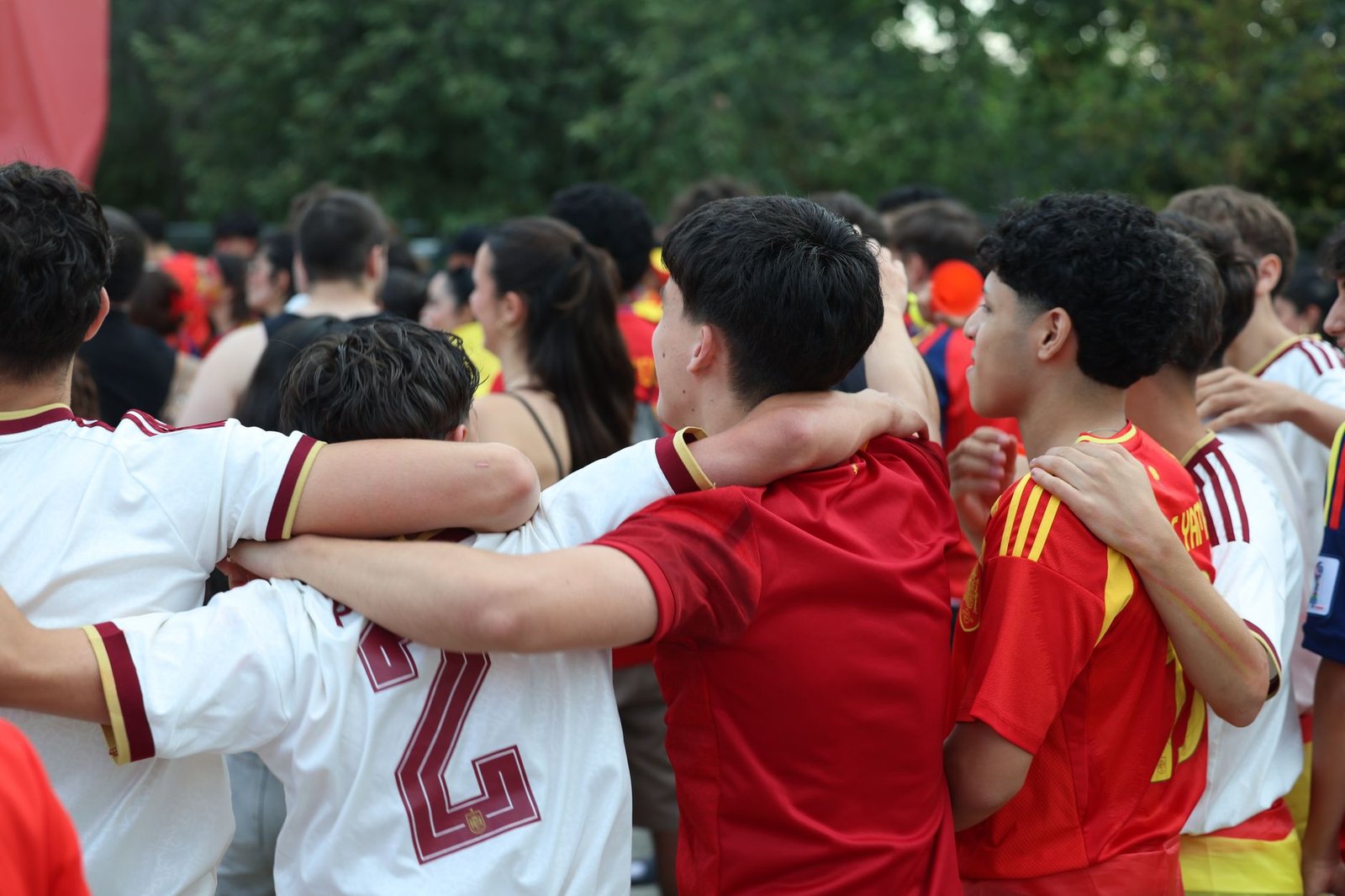
What Happened in the 2026 World Cup Final?
The final was a match of extraordinary tension and tactical discipline. Both Spain and Argentina arrived as tournament favorites, and the game lived up to its billing — neither side was able to break the deadlock through 90 minutes of tightly contested play.
Spain, under their tactically astute coaching setup, controlled large portions of possession in their trademark style, recycling the ball patiently and looking to exploit gaps in Argentina’s disciplined defensive shape. Argentina, buoyed by the iconic presence of Lionel Messi, pushed hard to protect their title and send their captain out as a back-to-back World Cup winner.
However, it was Spain who found the decisive moment. In extra time, Ferran Torres latched onto a chance and finished clinically to give La Roja the lead — a goal that ultimately proved to be the winner. Argentina pushed desperately for an equalizer in the final minutes, but Spain’s defense held firm, sealing a historic victory.
How Did Spain Perform Throughout the Tournament?
Spain’s road to the 2026 World Cup title was a display of cohesion, technical quality, and depth across the squad. Playing in a tournament co-hosted by the United States, Canada, and Mexico, La Roja demonstrated their pedigree at every stage:
- Group Stage: Spain topped their group with commanding performances, showcasing their possession-based identity.
- Knockout Rounds: Spain navigated the expanded 48-team bracket with a blend of pragmatism and attacking flair, defeating several top nations along the way.
- Final: A patient, disciplined 1-0 win over Argentina that showcased Spanish resilience at the highest level.
The triumph marks Spain’s fifth FIFA World Cup title, cementing their place among the greatest international football nations of all time. They previously won the tournament in 2010, and this victory further cements the legacy of Spanish football on the world stage.

Who Is Ferran Torres and Why Does His Goal Matter?
Ferran Torres, the Barcelona and Spain forward, etched his name into football history with his extra-time strike in the World Cup final. Known for his pace, movement, and clinical finishing, Torres has been a key contributor for the Spanish national team for several years. His ability to perform under pressure on the grandest stage — scoring the only goal in a World Cup final against the defending champions — represents the defining moment of his career.
The goal will be remembered not just for its sporting significance, but for the context in which it arrived: denying Argentina a back-to-back title, and ending what is almost universally expected to be Lionel Messi’s final chapter at a World Cup.
Was This Lionel Messi’s Last World Cup?
One of the most poignant storylines surrounding the 2026 final centered on Lionel Messi. The Argentine legend, who led his nation to World Cup glory in 2022 in Qatar, entered the 2026 tournament at an age where it is widely understood this would be his last opportunity to compete on football’s biggest stage.
Messi had a remarkable tournament, continuing to demonstrate the genius and leadership that has defined his career. However, the final did not deliver the fairy-tale ending Argentina and his millions of fans around the world had hoped for. Instead, it was Spain’s night — and Messi’s World Cup journey ended without a second title.
The image of Messi at the final whistle will resonate deeply with football fans globally. Few players in history have meant as much to the sport, and regardless of the result, his presence in the 2026 final underscored just how extraordinary his longevity and dedication have been. He leaves the World Cup stage as the 2022 champion and one of the tournament’s all-time leading figures.
What Does This Win Mean for Spanish Football?
This World Cup triumph is a landmark achievement for Spain and confirms the country’s football program as one of the most consistently successful in the world. Coming after their UEFA Euro victory in 2024, Spain has now completed a remarkable run of international success, winning back-to-back major tournaments.
Key takeaways from Spain’s 2026 World Cup victory:
- Spain becomes a five-time World Cup champion, joining a select group of the sport’s most decorated nations.
- The win validates Spain’s continued commitment to technical, possession-based football even as other nations have adopted more varied approaches.
- Young players within the squad gain invaluable major tournament experience, pointing toward continued success in future competitions.
- Ferran Torres emerges as one of Spain’s defining players of this era.
- The victory is a tribute to the strength and depth of Spanish club football, which continues to develop world-class talent.
How Did Argentina React to the Defeat?
For Argentina, the loss is a painful one — but the 2026 tournament will still be remembered as a campaign of heart and determination. The team battled through a grueling bracket in an expanded 48-team format, with Messi leading from the front as he always has.
Argentine fans, known for their passionate and devoted support, will be heartbroken by the final result, particularly given the emotional weight of it likely being Messi’s last World Cup match. However, the legacy of Argentina’s 2022 triumph in Qatar remains intact, and the squad contains talented younger players who will carry the nation’s ambitions into future tournaments.

Why Does the 2026 World Cup Final Matter Beyond Football?
The 2026 World Cup was the first to feature an expanded 48-team format and was co-hosted across three nations — the United States, Canada, and Mexico. The tournament attracted record-breaking crowds and global viewership, reflecting football’s ever-growing presence in North America.
The final between Spain and Argentina — two of the sport’s most storied nations — delivered exactly the kind of spectacle that football fans around the world hoped the expanded tournament could produce. It will be studied by coaches, analyzed by pundits, and celebrated by Spanish supporters for generations to come.
Frequently Asked Questions
Who scored the winning goal in the 2026 World Cup Final?
Ferran Torres scored the only goal of the match in extra time, giving Spain a 1-0 victory over Argentina and securing the World Cup title for La Roja.
How many World Cups has Spain won?
With the 2026 victory, Spain has now won five FIFA World Cup titles. Their previous championship was in 2010, and this win cements their status as one of international football’s greatest powers.
Was the 2026 World Cup Lionel Messi’s last?
While Messi himself has not made a definitive public statement, it is widely expected that the 2026 FIFA World Cup was Lionel Messi’s final World Cup, given his age. He exits the tournament as a 2022 champion and an all-time great of the game.
Where was the 2026 FIFA World Cup held?
The 2026 FIFA World Cup was co-hosted by three nations: the United States, Canada, and Mexico. It was the first World Cup to feature 48 participating teams, expanding from the previous 32-team format.