
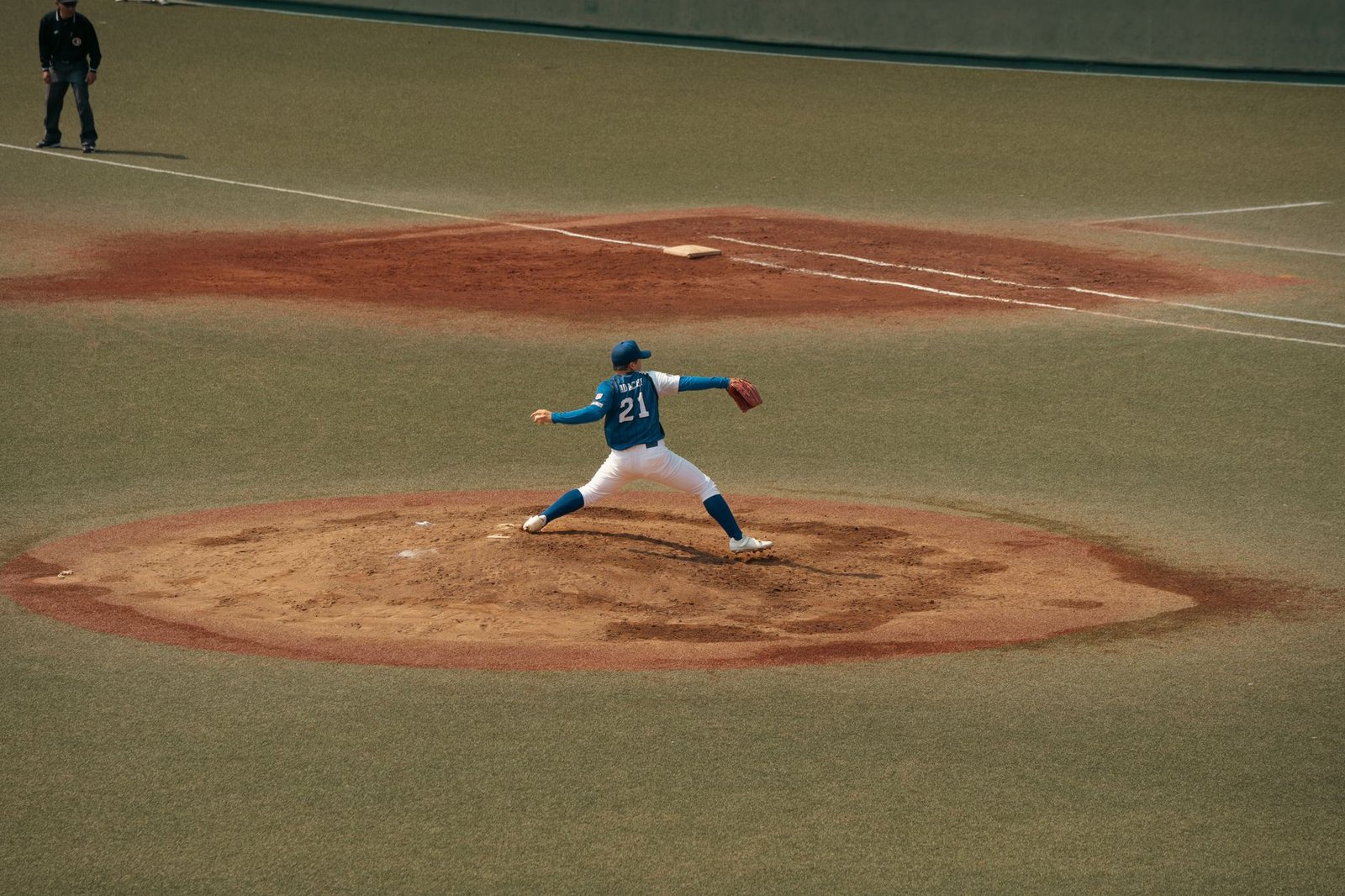
Roki Sasaki Silences Yankee Stadium With Electric Performance
Roki Sasaki delivered a dominant outing against the New York Yankees at Yankee Stadium, hitting triple digits on the radar gun and keeping one of baseball’s most fearsome lineups largely off balance as the Los Angeles Dodgers secured a 2-1 victory. Max Muncy’s home run provided the decisive blow in a tight, well-pitched game that showcased exactly why the Dodgers made Sasaki one of the most coveted international signings in recent memory.
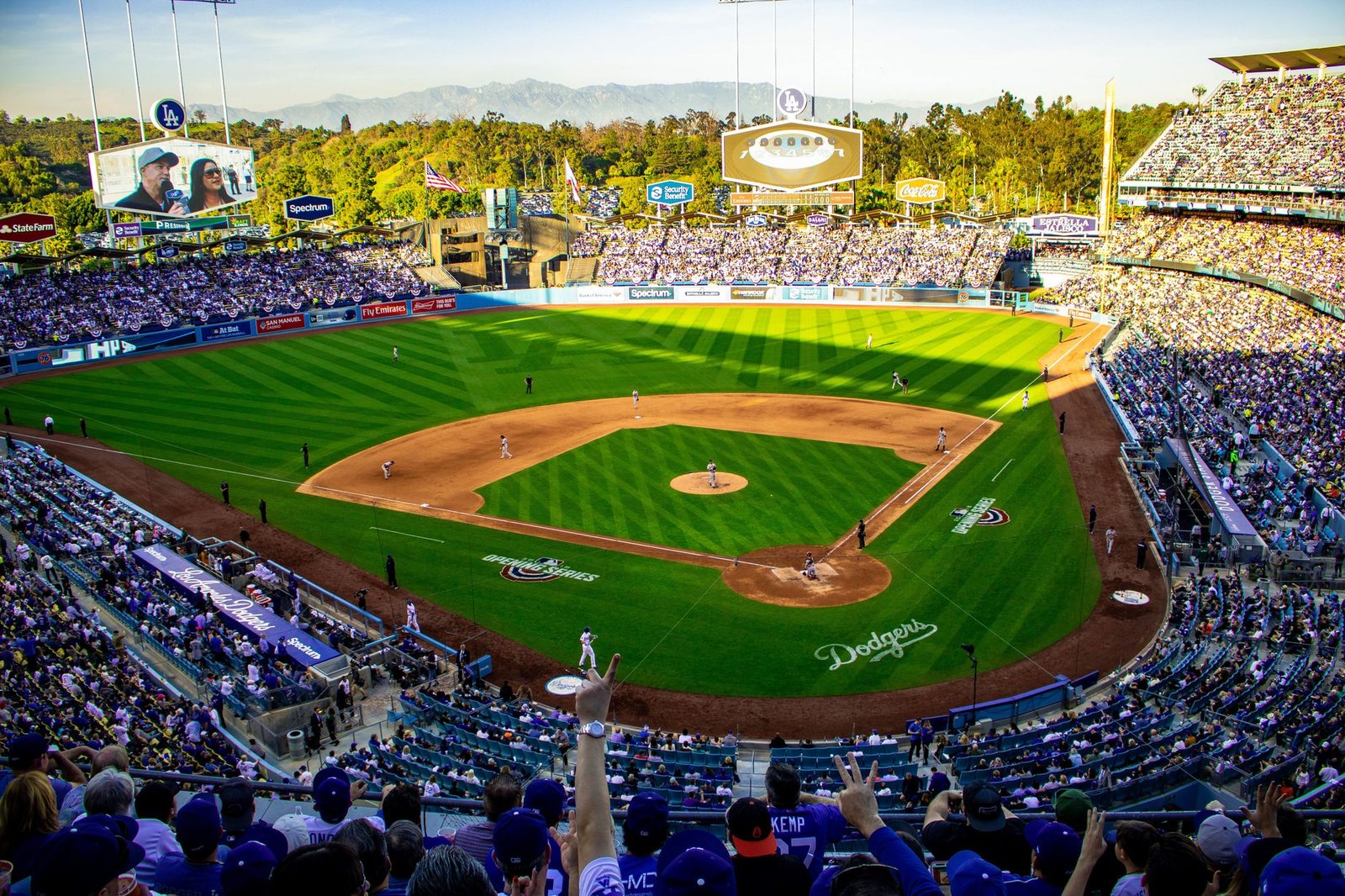
What Happened? A Pitching Masterclass in the Bronx
From the first pitch, Sasaki made clear he was operating at an elite level. The young right-hander repeatedly touched and exceeded 100 miles per hour with his fastball, a pitch that exploded out of his hand and gave Yankees hitters fits all night. His ability to complement that heater with sharp secondary pitches — including his signature split-finger fastball — made him nearly unhittable through his innings of work.
The Yankees, a lineup built on power and patience, struggled to get comfortable in the batter’s box. Sasaki’s combination of elite velocity and late movement meant that even when hitters made contact, they were rarely squaring balls up with authority. The result was a performance that had fans and analysts buzzing about the Dodgers’ already-loaded rotation becoming even more dangerous.
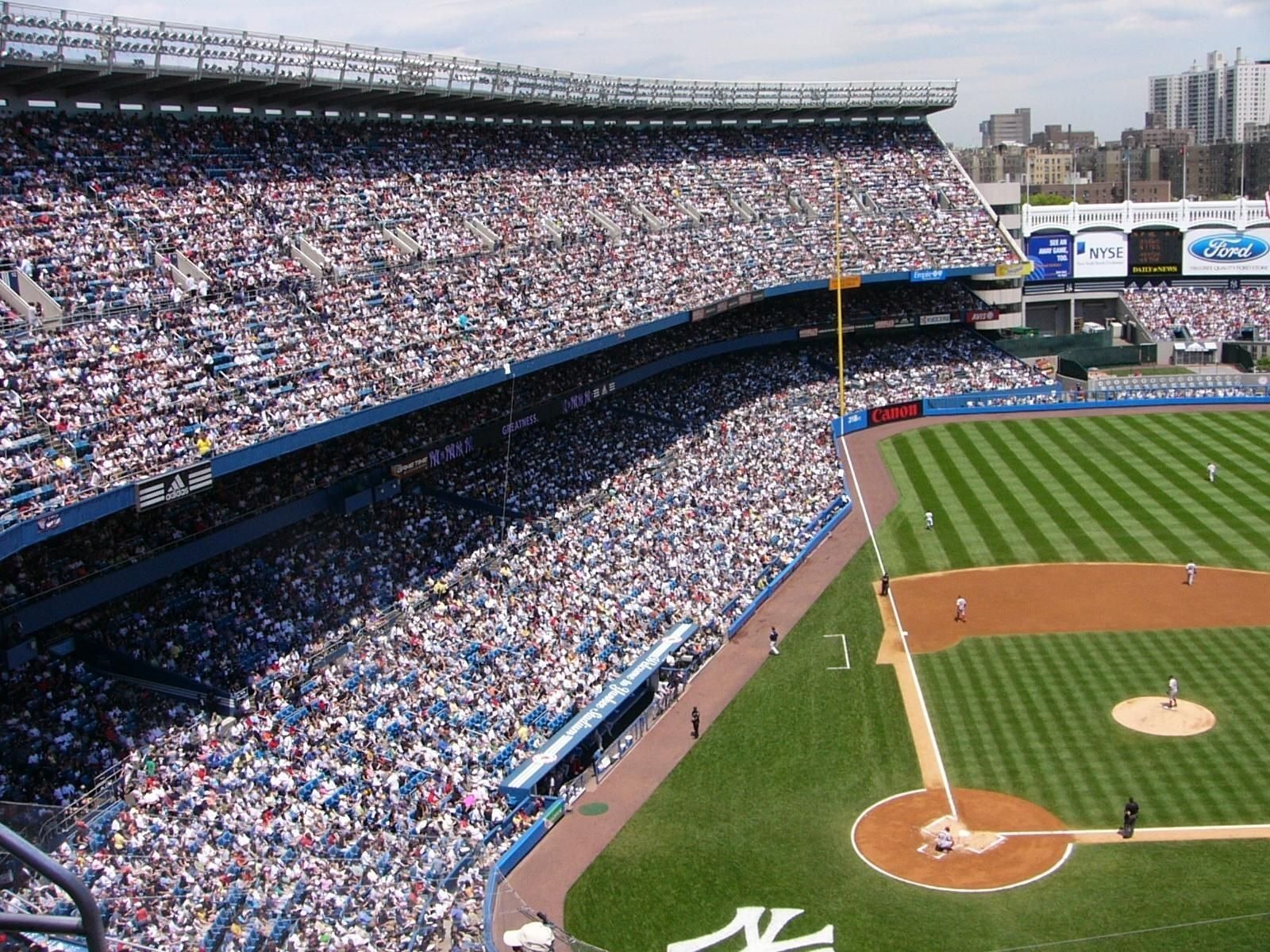
Yankee Stadium, one of the loudest and most intimidating venues in all of sports, was largely quieted by the 23-year-old Japanese phenom. Pitching in front of a hostile crowd on the road is a test for any young pitcher, but Sasaki showed the kind of composure that belies his age and his relatively limited Major League experience in the United States.
Max Muncy’s Home Run: The Difference Maker
Offense was at a premium in this pitching-dominated contest, making every run enormously consequential. Max Muncy provided the pivotal moment with a home run that gave the Dodgers crucial insurance and ultimately proved to be the margin of victory. Muncy, a veteran presence in the Dodgers lineup known for his disciplined approach and left-handed power, delivered exactly when his team needed it most.
The Dodgers finished with 2 runs on the night — enough to back up Sasaki’s brilliant work on the mound. It was the kind of efficient, grind-it-out win that championship-caliber teams find ways to secure, particularly in tough road environments against quality opponents.
Why Roki Sasaki’s Fastball Is So Difficult to Hit
To understand just how impressive Sasaki’s performance was, it helps to understand what makes his arsenal so exceptional at the Major League level.
- Elite velocity: Consistently sitting in the upper 90s and touching 100+ mph, Sasaki’s fastball is among the hardest thrown by any starting pitcher in baseball.
- Late life and movement: Raw speed alone doesn’t make a fastball elite — Sasaki’s pitch also carries late riding life that makes it difficult to square up even when hitters are timing it correctly.
- World-class splitter: Sasaki’s split-finger fastball, which dives sharply out of the strike zone, is widely regarded as one of the most devastating off-speed pitches in the game. Hitters who sit fastball are punished; hitters who adjust to the splitter are beaten by the heater.
- Command and deception: His ability to locate pitches to both sides of the plate and generate deceptive arm action makes him even more difficult to read as an at-bat unfolds.
Against a Yankees lineup with legitimate power threats throughout, keeping them to a single run was a genuine achievement that underscored Sasaki’s immense talent.
Dodgers vs. Yankees: A Rivalry Renewed
Any time the Los Angeles Dodgers and New York Yankees share a field, there is an inherent electricity rooted in decades of postseason history and competing claims to baseball’s greatest dynasty. Both franchises entered this matchup with World Series aspirations, and games between them carry extra weight even during the regular season.
The Dodgers came into the game as one of the sport’s premier teams, bolstered by a roster that combines experienced veterans, elite homegrown talent, and a rotation that includes multiple frontline starters. Adding Sasaki to an already formidable pitching staff was a statement move, and performances like this one against a marquee opponent serve as proof of concept.
For the Yankees, the 2-1 loss was a reminder that even at home, against one of the most supportive fanbases in baseball, there are pitchers capable of shutting down their lineup. The narrow defeat keeps questions alive about how the Yankees will perform when facing the very best arms in the sport.
Sasaki’s Journey to the Major Leagues
Roki Sasaki’s arrival in Major League Baseball was one of the most anticipated in recent years. He had established himself as one of the premier pitchers in Nippon Professional Baseball, posting historic strikeout numbers and demonstrating the kind of stuff that scouts agreed would translate to elite performance in the United States.
His signing with the Los Angeles Dodgers was a landmark moment, adding a generational pitching talent to an organization already stacked with star power. The transition from NPB to MLB is never guaranteed to be seamless — hitters in the American and National Leagues present different challenges, and the grind of a full MLB season is its own adjustment — but Sasaki has shown the ability to impose his will on Major League lineups.
Performances like the one at Yankee Stadium only elevate expectations for what Sasaki can become as he settles into life in the United States and builds on his early success in the Dodgers rotation.
What Does This Win Mean for the Dodgers?
A road win at Yankee Stadium, particularly a tight 2-1 game against a legitimate contender, is the kind of result that builds team confidence and reinforces the Dodgers’ standing among baseball’s elite. A few key takeaways from this victory:
- Rotation depth on full display: Sasaki’s dominance is a reminder that the Dodgers’ pitching depth is arguably unmatched in the sport.
- Timely hitting wins games: In a low-scoring affair, Muncy’s home run demonstrated the value of veteran hitters who can deliver in critical moments.
- Road resilience: Winning in hostile environments is a hallmark of championship-caliber teams, and the Dodgers did exactly that in the Bronx.
- Star power on both sides: Games like this, even in the regular season, help calibrate where contenders stand against the sport’s best competition.
What Happens Next?
The Dodgers will look to build on this win as the season continues, with Sasaki figuring prominently in their rotation plans for the long haul. Each strong start further cements his place as a cornerstone of one of baseball’s most ambitious franchises. For the Yankees, the loss will serve as a data point in evaluating how their lineup fares against upper-echelon pitching — something they will inevitably face again if they advance deep into October.
As for Sasaki himself, the buzz around his 100+ mph fastball and dazzling arsenal will only grow louder. Performances at storied venues like Yankee Stadium have a way of defining a player’s narrative, and this one painted a vivid picture of a young pitcher ready for the biggest stages baseball has to offer.
Frequently Asked Questions
How fast is Roki Sasaki’s fastball?
Roki Sasaki’s fastball regularly sits in the upper 90s and has been recorded at over 100 miles per hour. His combination of elite velocity and late movement makes it one of the most difficult pitches to hit in Major League Baseball.
What was the final score of the Dodgers vs. Yankees game?
The Los Angeles Dodgers defeated the New York Yankees 2-1 at Yankee Stadium, with Max Muncy’s home run providing the decisive run in a tightly contested pitching duel.
Who hit the home run for the Dodgers against the Yankees?
Max Muncy hit the key home run for the Dodgers, providing crucial offense in what became a 2-1 victory. Muncy is known for his disciplined plate approach and left-handed power.
Why did Roki Sasaki sign with the Dodgers?
Roki Sasaki signed with the Los Angeles Dodgers after establishing himself as one of Japan’s premier pitchers in Nippon Professional Baseball. The Dodgers were among the most aggressive suitors for his services, and the signing was considered one of the most significant international additions in recent baseball history.