
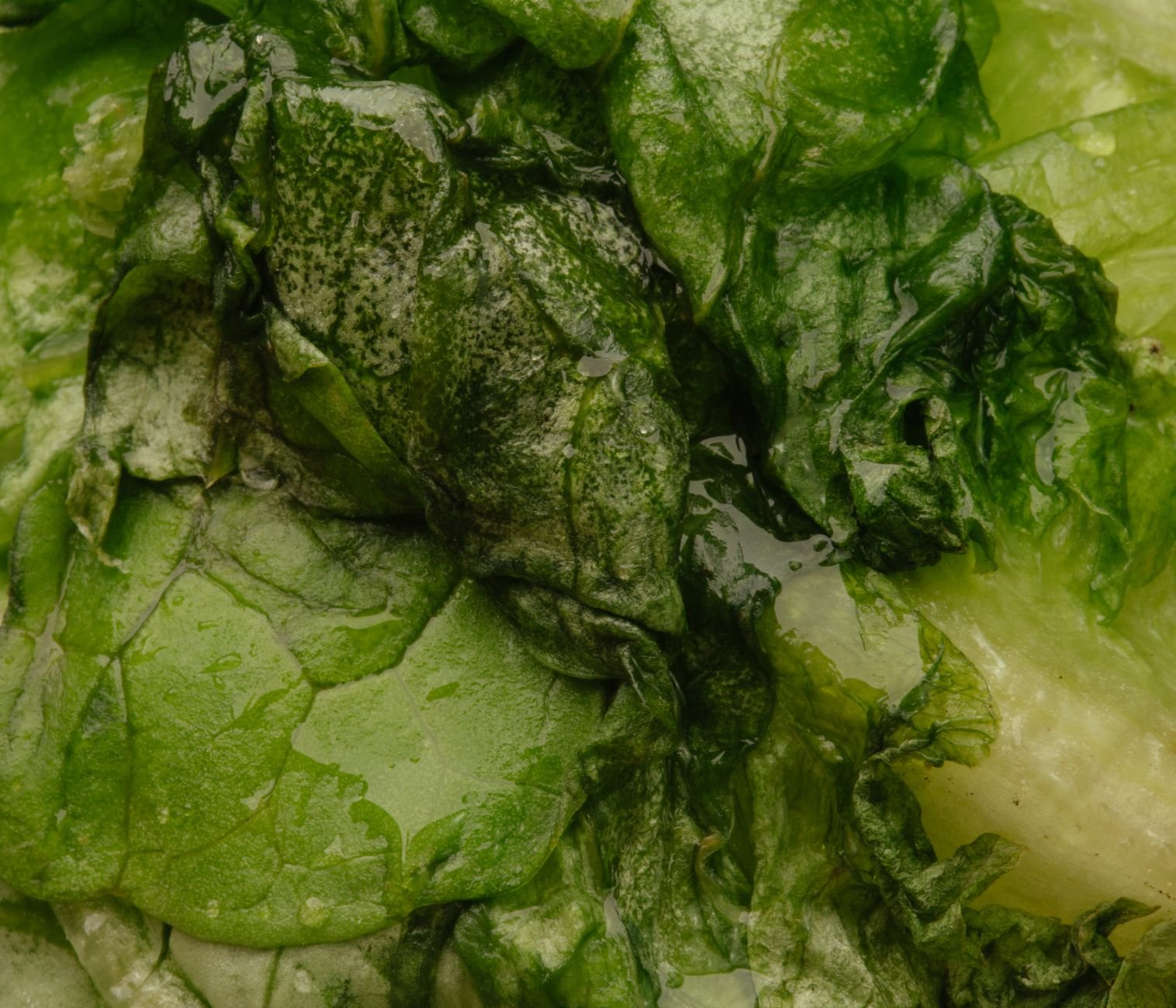
Taylor Farms Lettuce Identified as Potential Source of Cyclospora Outbreak
Federal and state health investigators have identified Taylor Farms lettuce as a potential source of a large-scale Cyclospora outbreak that has sickened more than 1,600 confirmed cases across 34 states. The outbreak represents one of the more significant foodborne illness events in recent years, prompting urgent warnings from public health officials urging consumers to check their refrigerators and discard any potentially affected products.
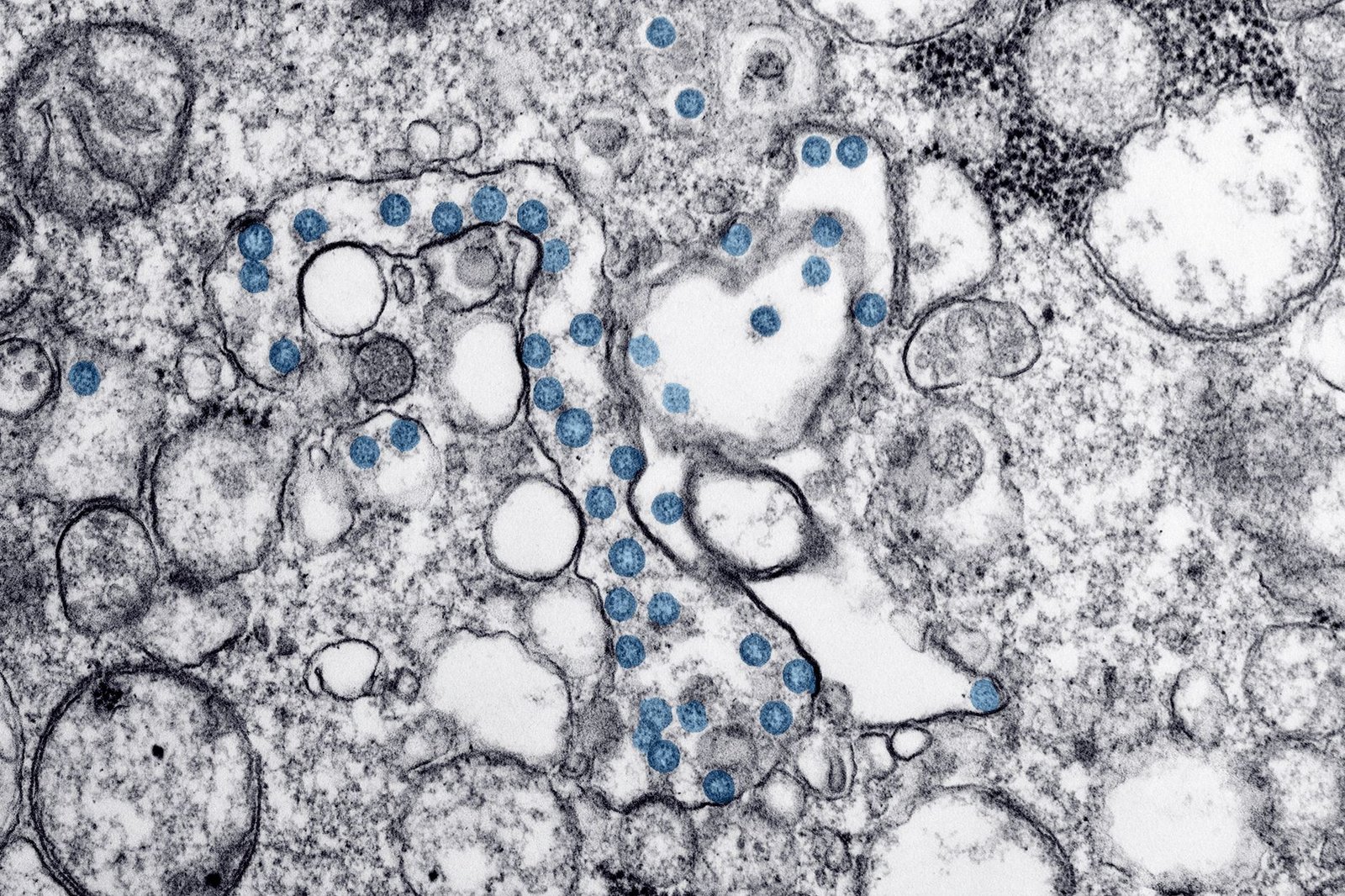
What Is Cyclospora and Why Is It Dangerous?
Cyclospora cayetanensis is a microscopic parasite that causes an intestinal illness known as cyclosporiasis. Unlike many other foodborne pathogens, Cyclospora cannot be spread directly from person to person — it requires time outside a host to become infectious, meaning contamination almost always traces back to a food or water source.
The illness is particularly notable for its unpleasant and prolonged symptoms, which can include:
- Watery, sometimes explosive diarrhea
- Nausea and vomiting
- Stomach cramps and bloating
- Loss of appetite and significant weight loss
- Fatigue and flu-like symptoms
- Low-grade fever
Without treatment, symptoms can last anywhere from a few days to more than a month, and some patients experience cycles of improvement followed by relapse. The standard treatment is a course of the antibiotic combination trimethoprim-sulfamethoxazole (TMP-SMX). Immunocompromised individuals, the elderly, and young children face the greatest risk of serious complications.
How Did Investigators Link the Outbreak to Taylor Farms?
Outbreak investigations of this nature are complex, relying on epidemiological interviews, traceback investigations, and laboratory testing. When clusters of Cyclospora cases began appearing across dozens of states, investigators from the Centers for Disease Control and Prevention (CDC), the Food and Drug Administration (FDA), and state and local health departments launched a coordinated effort to identify the common source.
Through detailed interviews with sick individuals about the foods they consumed in the days before becoming ill, investigators identified a pattern pointing toward fresh produce — specifically lettuce products associated with Taylor Farms, one of the largest fresh produce suppliers in the United States.
Traceback investigations — which involve following the supply chain from the consumer back through distribution, processing, and ultimately to the farm — helped narrow the suspected source. It is important to note that during active outbreak investigations, investigators often use the term “potential source” because definitive laboratory confirmation can be difficult to achieve with Cyclospora, as the parasite can be hard to detect on produce samples.
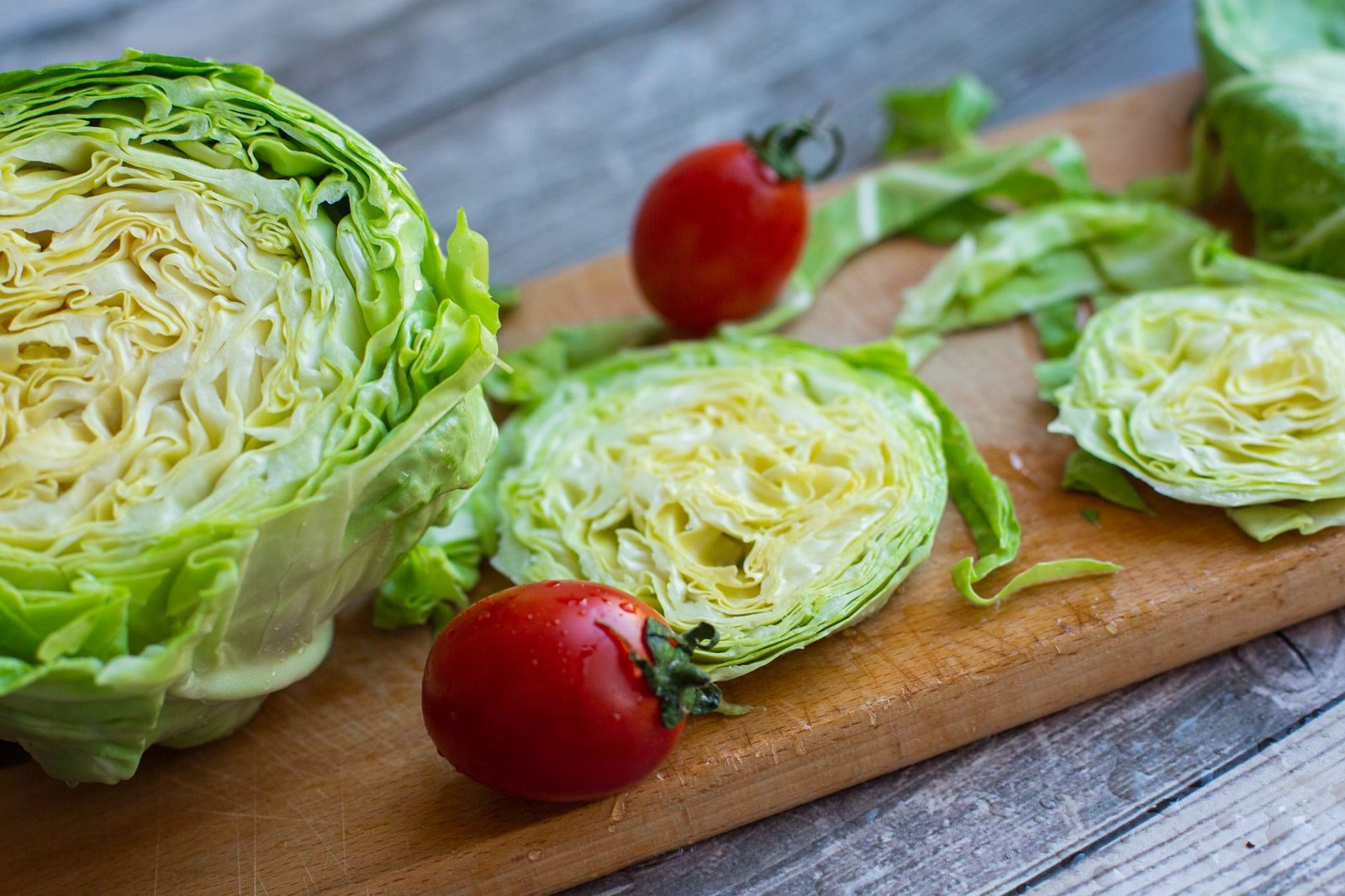
How Widespread Is the Outbreak?
The scale of this outbreak is significant. With more than 1,600 confirmed cases across 34 states, it falls into the category of a major multistate foodborne illness event. The actual number of people affected is likely far higher, as most cases of cyclosporiasis go unreported — many people with mild symptoms never seek medical care, and even when they do, Cyclospora is not always tested for routinely.
The CDC estimates that for every confirmed case of many foodborne illnesses reported through surveillance systems, many more go undiagnosed and unreported. This means the true scope of this outbreak could potentially be several times larger than the confirmed case count suggests.
Cases have been reported across a broad geographic range, reflecting the wide distribution network of a major national produce supplier like Taylor Farms. The company supplies fresh-cut salads, vegetables, and other produce to grocery chains, food service operators, and restaurants throughout the country.
What Products Are Involved and What Should Consumers Do?
Consumers are advised to pay close attention to any guidance issued by the FDA and CDC regarding specific product names, lot numbers, and “best by” dates, as these details are typically released as the investigation progresses. In general, anyone who has recently purchased Taylor Farms lettuce products should:
- Check any recall or advisory notices issued by the FDA for specific product details
- Not eat products that have been flagged and discard them immediately
- Clean and sanitize any surfaces and containers that may have contacted the product
- Monitor themselves and family members for symptoms of cyclosporiasis
- Seek medical attention if symptoms develop, especially watery diarrhea lasting more than a few days
Standard washing of fresh produce under running water can reduce but does not eliminate all pathogens, and Cyclospora is particularly resistant to standard disinfection methods like chlorine treatment.
Taylor Farms: A Major Player in U.S. Fresh Produce
Taylor Farms is headquartered in Salinas, California, and is one of the largest producers of fresh-cut vegetables and salad products in North America. The company operates multiple processing facilities and supplies products under both its own label and as a private-label supplier to major grocery chains and restaurant groups across the country.
Because of the company’s enormous distribution scale, contamination at a single processing point or sourced from a single farm can rapidly affect consumers across dozens of states simultaneously — which is precisely the pattern seen in this outbreak. This underscores both the efficiency and the vulnerability of the modern centralized food supply chain.
Cyclospora outbreaks linked to fresh produce have occurred before in the United States, with previous outbreaks involving fresh herbs like cilantro, as well as pre-packaged salad products. The parasite is often associated with produce that has been irrigated with water contaminated by human fecal matter, typically in growing regions where sanitation infrastructure may be limited.
What Happens Next in the Investigation?
Outbreak investigations of this complexity involve several ongoing steps:
- Continued case interviews: Health departments continue to interview newly reported patients to strengthen the epidemiological link to the suspected source.
- Product testing: Regulators collect and test retained product samples from implicated lots to attempt laboratory confirmation of Cyclospora contamination.
- Supply chain traceback: Investigators continue tracing the product back through the distribution and growing chain to pinpoint where contamination occurred.
- Regulatory action: Depending on findings, FDA may issue formal recalls, warning letters, or other regulatory actions against suppliers involved in the contamination.
- Public updates: Both the CDC and FDA typically provide regular updates on the outbreak investigation’s progress through their official outbreak advisory pages.
The investigation may take weeks or even months to fully conclude, as Cyclospora is notoriously difficult to confirm in environmental and food samples.
Why Do Cyclospora Outbreaks Keep Occurring?
Despite improvements in food safety regulation, Cyclospora outbreaks linked to fresh produce have been a recurring challenge in the U.S. Several factors contribute to this:
- Growing conditions: Fresh produce, especially leafy greens, is often grown in open fields where contaminated water sources or wildlife fecal matter can introduce pathogens.
- Limited treatment options for produce: Unlike meat, fresh produce cannot be cooked to eliminate pathogens, leaving the burden of safety at the farm and processing levels.
- Detection difficulty: Cyclospora is hard to detect in both patients (requiring specialized stool testing) and food samples, making traceback investigations slower.
- Global supply chains: Some produce or ingredients used in packaged salads may come from multiple international and domestic sources, complicating source identification.
The Food Safety Modernization Act (FSMA), enacted in 2011, gave the FDA stronger authority over produce safety standards, including rules on agricultural water quality. However, implementation and enforcement of these rules across the entire fresh produce industry remains an ongoing challenge.
Frequently Asked Questions
What are the symptoms of Cyclospora infection?
Symptoms of cyclosporiasis typically begin about one week after exposure and include watery diarrhea, nausea, stomach cramps, bloating, loss of appetite, fatigue, and sometimes fever. Without antibiotic treatment, symptoms can last from several days to over a month.
Is all Taylor Farms lettuce affected by this recall?
Not necessarily. Outbreaks and recalls are typically limited to specific products, lot numbers, and date ranges. Consumers should refer to the specific product advisories issued by the FDA and CDC for exact details on which items are implicated.
Can Cyclospora be spread from person to person?
No. Cyclospora cannot be transmitted directly from one person to another. The parasite requires time outside a host to become infectious, so the source of infection is almost always contaminated food or water.
What should I do if I think I have Cyclospora?
If you develop symptoms consistent with cyclosporiasis — particularly prolonged watery diarrhea — contact a healthcare provider. Mention any recent consumption of fresh produce and ask to be tested specifically for Cyclospora, as it requires a specialized stool test. The infection is treatable with antibiotics prescribed by a doctor.