
What Is the Taco Bell Cyclospora Outbreak?
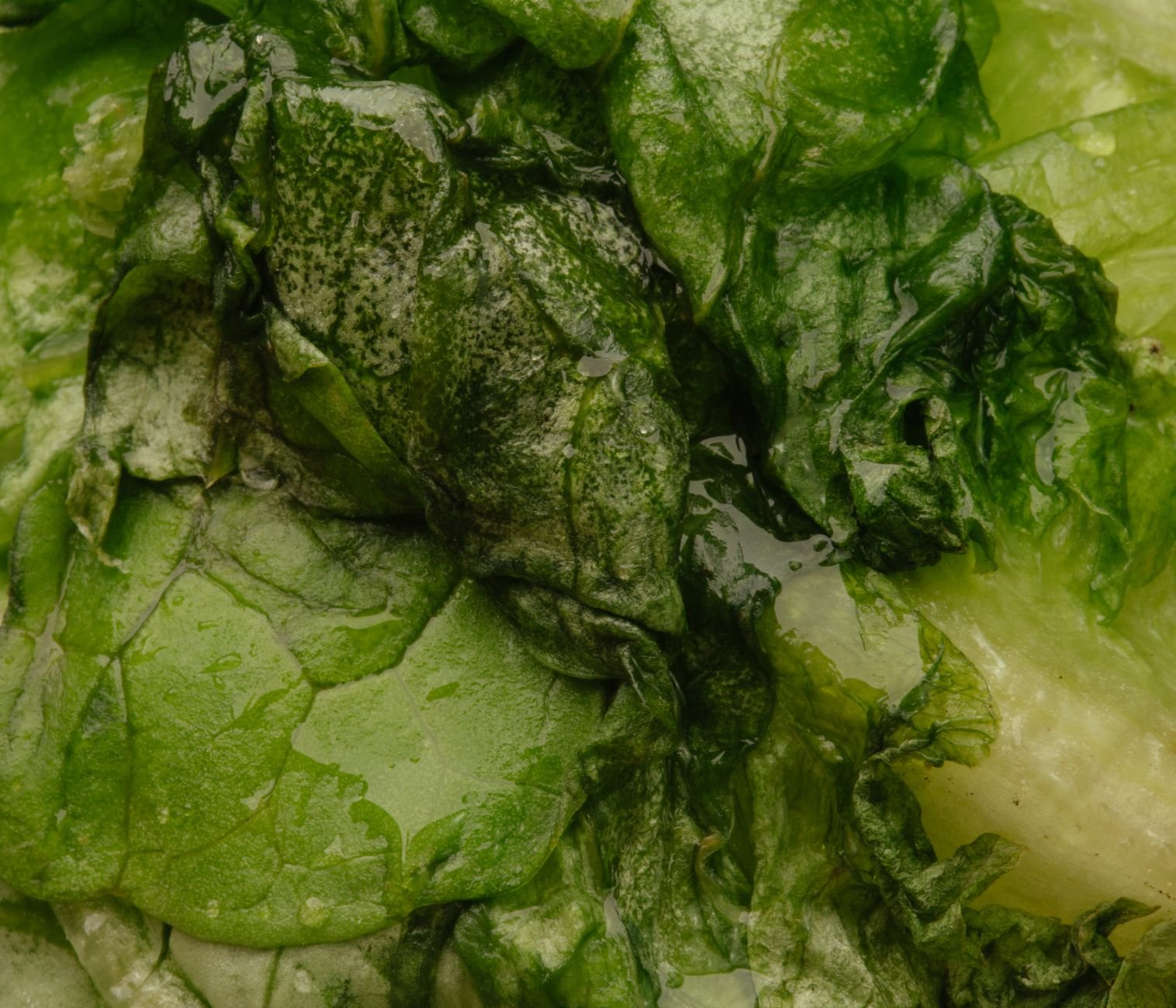
Health officials have identified contaminated lettuce as the likely source of a widespread Cyclospora outbreak linked to Taco Bell locations across Michigan, Ohio, West Virginia, and Kentucky. The outbreak has sickened more than 2,000 people, making it one of the most significant foodborne illness events tied to a fast-food chain in recent years. Investigators from federal and state health agencies are actively working to trace the source of the contamination through the supply chain.
What Is Cyclospora and Why Is It Dangerous?
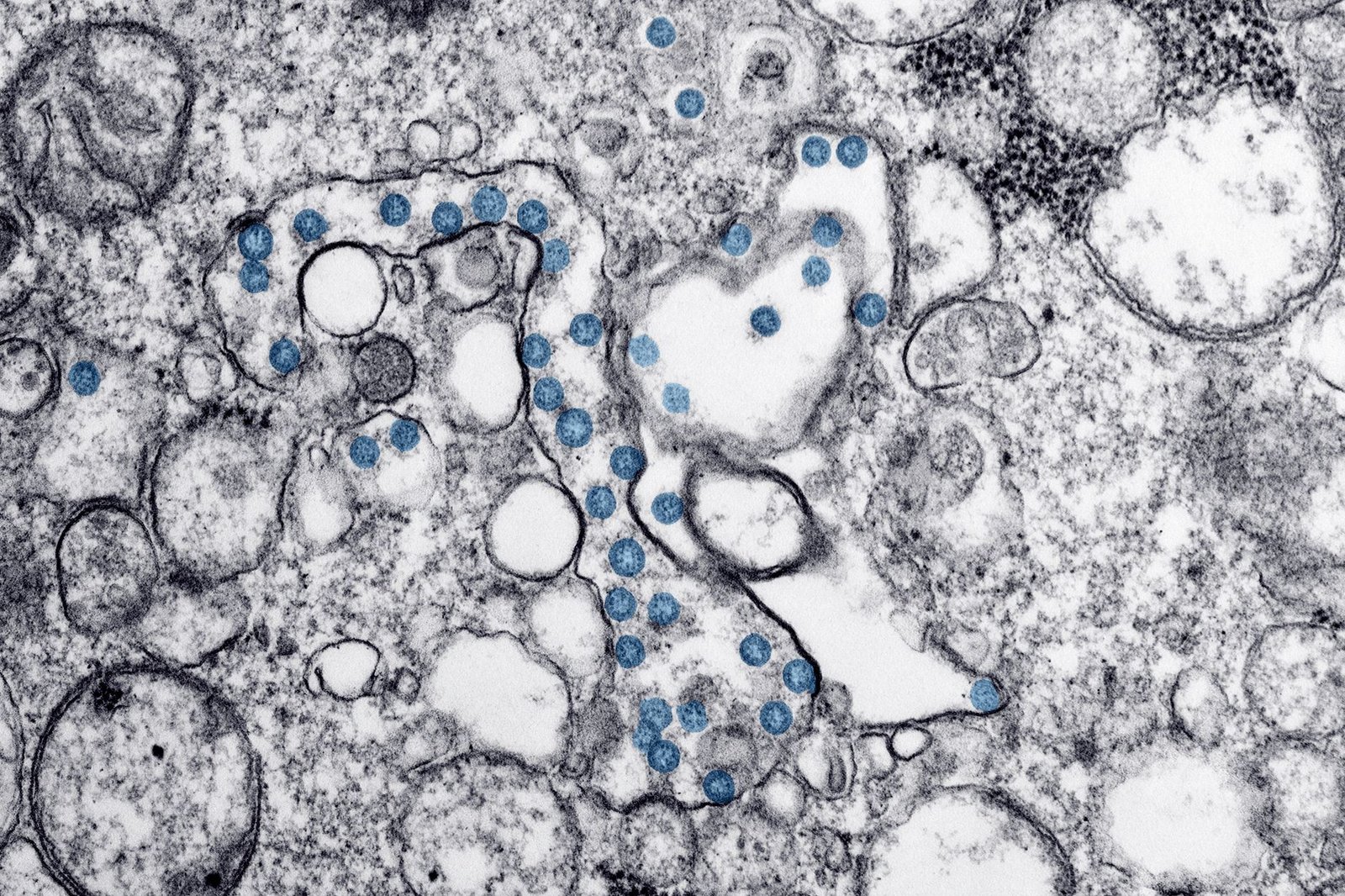
Cyclospora cayetanensis is a microscopic parasite that infects the small intestine and causes a gastrointestinal illness known as cyclosporiasis. Unlike many common foodborne pathogens, Cyclospora is particularly resilient and difficult to eliminate through standard food handling practices.
Key facts about Cyclospora include:
- It is spread through consumption of food or water contaminated with infected fecal matter.
- The parasite cannot be spread directly from person to person.
- Symptoms typically begin one to two weeks after exposure, making it harder to trace back to a specific meal or location.
- Common symptoms include prolonged watery diarrhea, loss of appetite, weight loss, stomach cramps, bloating, nausea, fatigue, and vomiting.
- Without treatment, illness can last weeks to months and may follow a relapsing pattern.
- Treatment typically involves a course of antibiotics prescribed by a physician.
The parasite is most commonly associated with fresh produce, particularly leafy greens, herbs, and berries that are grown in or imported from regions where the parasite is endemic. It does not survive cooking, meaning raw ingredients like salad lettuce pose the greatest risk.
How Was Lettuce Identified as the Source?
Epidemiologists from state health departments and the Centers for Disease Control and Prevention (CDC) conducted extensive case interviews with hundreds of affected individuals. A significant pattern emerged: a large proportion of those sickened reported eating at Taco Bell in the days before their symptoms began.
Further analysis narrowed the likely vehicle of contamination to shredded lettuce used in menu items. Lettuce is a raw ingredient used widely across Taco Bell’s menu — appearing in tacos, burritos, and other products — which would explain the breadth of the outbreak across multiple states and many individual restaurant locations.
Health investigators are working backward through the supply chain to identify which lettuce supplier or distributor may have been the origin of the contamination. This process, known as a traceback investigation, involves reviewing invoices, shipping records, and harvesting data to pinpoint where and how the parasite entered the food supply.
Which States Are Most Affected?
The outbreak has been concentrated in four states in the Midwest and Appalachian region:
- Michigan — reporting the highest number of confirmed and probable cases
- Ohio — a significant cluster of illnesses tied to multiple Taco Bell locations
- Kentucky — cases spread across several counties
- West Virginia — smaller but confirmed case counts among the affected population
The geographic pattern is consistent with a shared regional distributor supplying fresh produce to Taco Bell franchise locations across these states. Public health investigators believe the contamination likely occurred upstream at a farm or processing facility rather than at individual restaurant locations.
What Is Taco Bell Doing in Response?
Taco Bell has cooperated with health authorities and has taken steps to address the outbreak. The chain’s parent company, Yum! Brands, has indicated it is working closely with investigators and has taken precautionary measures with its supply chain.
Actions typically taken in response to a foodborne outbreak investigation of this scale include:
- Pulling potentially contaminated ingredients from affected locations
- Switching to alternate suppliers while the investigation is ongoing
- Conducting internal audits of food handling and sourcing practices
- Communicating with franchisees about enhanced food safety protocols
It is important to note that the investigation is ongoing, and while lettuce has been identified as the likely source, official confirmation of the specific supplier or contamination point has not been finalized as of the time of this report.
Why Does a Cyclospora Outbreak Take So Long to Detect?
One of the biggest challenges with Cyclospora outbreaks is the extended incubation period. Because symptoms can take up to two weeks or more to appear after exposure, many people don’t immediately connect their illness to a specific restaurant visit or meal. By the time patients seek medical care, they may not clearly remember everything they ate days earlier.
Additionally, Cyclospora is not included in standard stool testing panels. Patients must specifically request — or doctors must specifically order — a test for Cyclospora, which means many cases may go undiagnosed or be mistaken for other gastrointestinal conditions. This leads to underreporting and delays in outbreak detection.
The combination of a long incubation period, the need for specialized testing, and underreporting means that the true number of people sickened in this outbreak could be significantly higher than the 2,000+ confirmed and probable cases currently counted.
Is It Safe to Eat at Taco Bell Now?
Health authorities have not issued a blanket recommendation to avoid all Taco Bell locations. The investigation is ongoing, and the chain has reportedly taken steps to remove the suspected ingredient from its supply chain in the affected regions.
Consumers who are concerned should:
- Monitor themselves for symptoms if they have recently eaten at a Taco Bell location in Michigan, Ohio, Kentucky, or West Virginia.
- Seek medical attention if experiencing prolonged diarrhea, stomach cramps, or fatigue that lasts more than a few days.
- Inform their doctor about potential Cyclospora exposure so appropriate testing can be ordered.
- Follow any updated guidance from their state or local health department.
What Happens Next in the Investigation?
Federal agencies including the CDC and the Food and Drug Administration (FDA) are expected to continue traceback investigations into the lettuce supply chain. Inspectors may visit farms, packing facilities, and distribution centers linked to the suspect product to collect samples for laboratory analysis.
If a specific supplier is confirmed as the source, a formal recall or advisory is likely to follow. Legal action from affected consumers is also a possibility, as past Cyclospora outbreaks tied to specific chains or suppliers have resulted in significant civil litigation.
State health departments are urging anyone who believes they may have been sickened as part of this outbreak to report their illness to local health authorities. This data is crucial for epidemiologists working to fully understand the scope of the event and prevent additional cases.
Frequently Asked Questions
What are the symptoms of Cyclospora infection?
Symptoms of cyclosporiasis include watery diarrhea, stomach cramps, bloating, nausea, fatigue, and loss of appetite. Symptoms typically begin one to two weeks after exposure and can last for weeks without treatment. A doctor can prescribe antibiotics to clear the infection.
How do I know if my illness is connected to the Taco Bell outbreak?
If you ate at a Taco Bell location in Michigan, Ohio, Kentucky, or West Virginia in recent weeks and developed symptoms of gastrointestinal illness, contact your healthcare provider. Ask specifically about testing for Cyclospora, as it requires a specialized stool test not included in routine panels.
Is Cyclospora contagious from person to person?
No. Cyclospora cannot be spread directly from one person to another. The parasite must complete part of its life cycle outside the human body before it becomes infectious, so direct contact with an infected person does not pose a transmission risk.
Has Taco Bell been linked to Cyclospora outbreaks before?
Taco Bell and other fast-food chains have historically been linked to various foodborne illness outbreaks involving fresh produce. Cyclospora outbreaks in the United States have previously been associated with fresh cilantro, raspberries, basil, and leafy greens imported from regions where the parasite is more common. Each outbreak requires its own traceback investigation to identify the specific source.